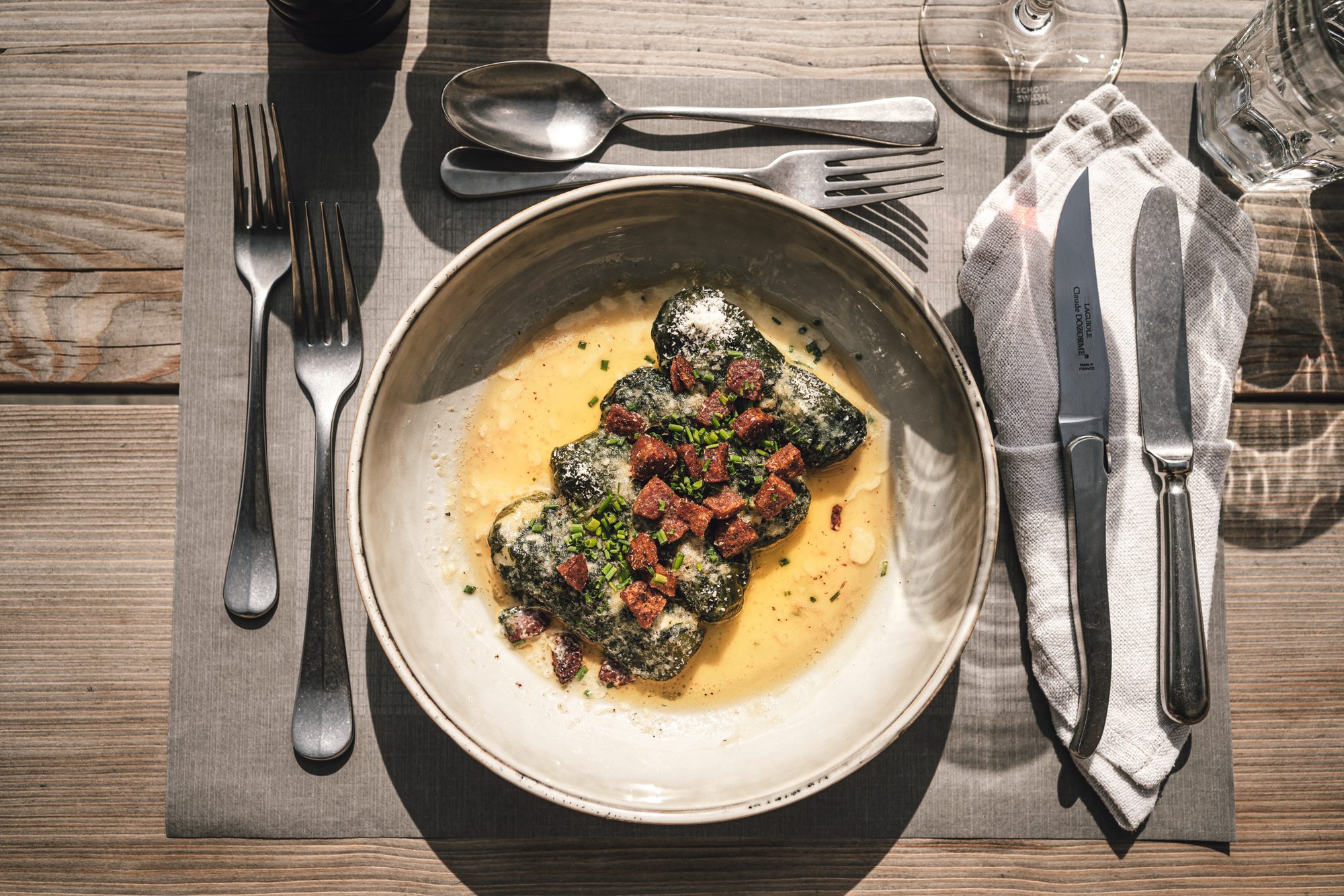
Pizzoccheri (say "pee-tso-KEH-ree") are not Swiss. They come from the Valtellina, an Alpine valley in Lombardy, and the small town of Teglio is considered their birthplace. Right across the border, though, lies Graubünden's Poschiavo valley, where people speak Italian and cook them just as passionately. For Graubünden, pizzoccheri are simply home cooking.
They are short, flat noodles made from buckwheat flour, cooked together with potatoes and cabbage, layered with cheese and doused in melted butter with garlic and sage. It sounds simple, and it is. The result is one of the best mountain dishes we know.
An academy that guards the recipe
In Teglio, pizzoccheri are taken seriously. In 2002 the Accademia del Pizzocchero di Teglio was founded there and published an official recipe, and since 2016 "Pizzoccheri della Valtellina" have carried the EU's Protected Geographical Indication (IGP). The classic version is made with Valtellina Casera DOP, a cheese from local milk.
Ingredients (serves 4)
For the dough
- 400 g buckwheat flour
- 100 g plain wheat flour
- water as needed (about 250 ml)
To finish
- 250 g potatoes
- 200 g Savoy cabbage (or chard)
- 250 g Valtellina Casera cheese, thinly sliced
- 150 g grated Parmesan or Grana
- 200 g butter
- 1 clove of garlic, a few sage leaves, pepper
Method
- Dough: mix the two flours, add the water gradually and knead into a firm, smooth dough. Buckwheat has no gluten, so the dough is more fragile than ordinary pasta. Let it rest for a while.
- Noodles: roll the dough out to about 2–3 mm and cut it into strips roughly 7 cm long and 1 cm wide.
- Cooking: boil the diced potatoes and the shredded cabbage in salted water. After a few minutes add the noodles and cook for about another 10 minutes.
- Layering: drain, then layer the pasta and vegetables in a warmed dish with the slices of Casera and the grated Parmesan.
- Butter: melt the butter in a pan with the garlic and sage, let it turn lightly golden and pour it over the pizzoccheri. Serve straight away, piping hot, with freshly ground pepper.
Cheese substitutes: Valtellina Casera is hard to find outside Italy. It is most often replaced with Fontina, but any good melting semi-hard mountain cheese will do. Buckwheat flour is sold in health food shops, and dried pizzoccheri are available in Italian delis.
Jára's tip: TODO (your version, what to drink with pizzoccheri, where to eat them in Poschiavo).
The Poschiavo valley and the Bernina Express
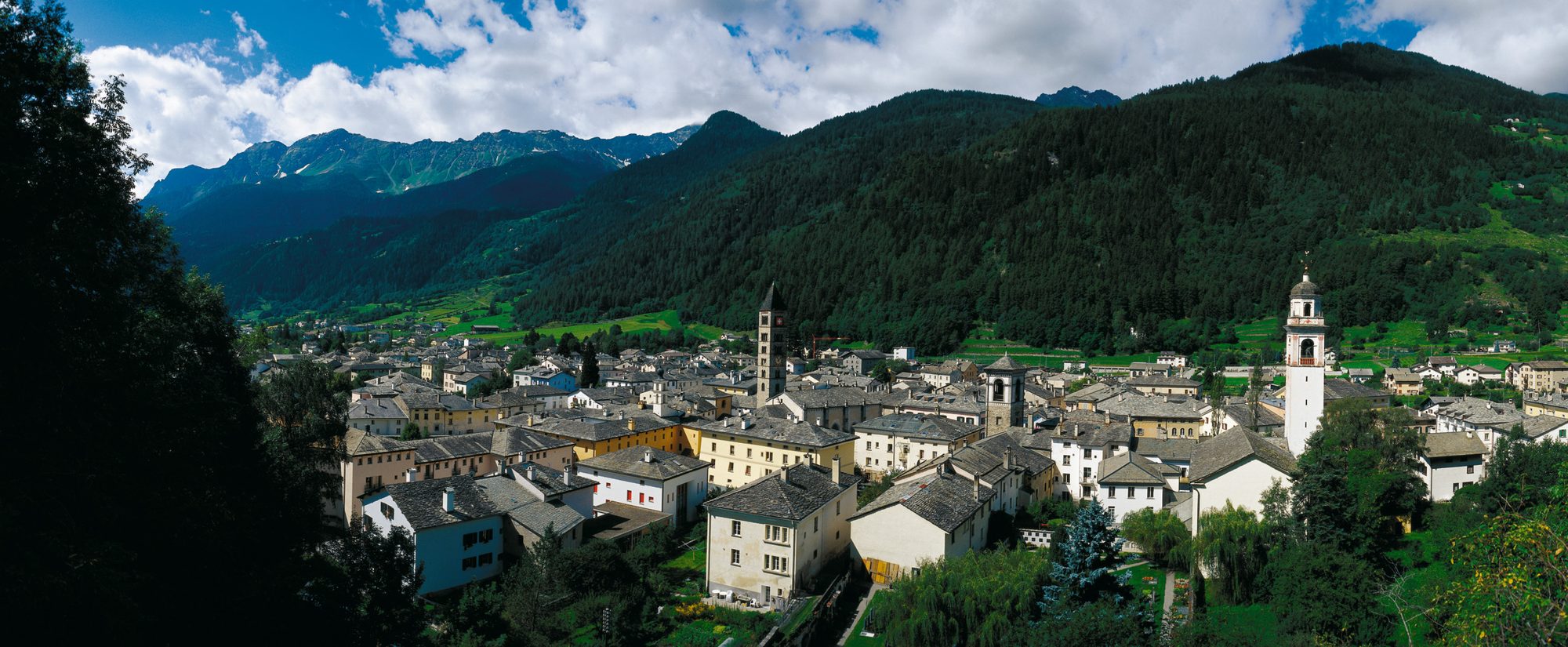
Valposchiavo is Graubünden's Italian-speaking valley south of the Bernina pass. The Bernina Express runs through it from Chur and St. Moritz to Tirano in Italy, on one of the most beautiful railways in the Alps. Near the village of Brusio the train crosses a circular viaduct that loops round on itself to tackle the steep slope.
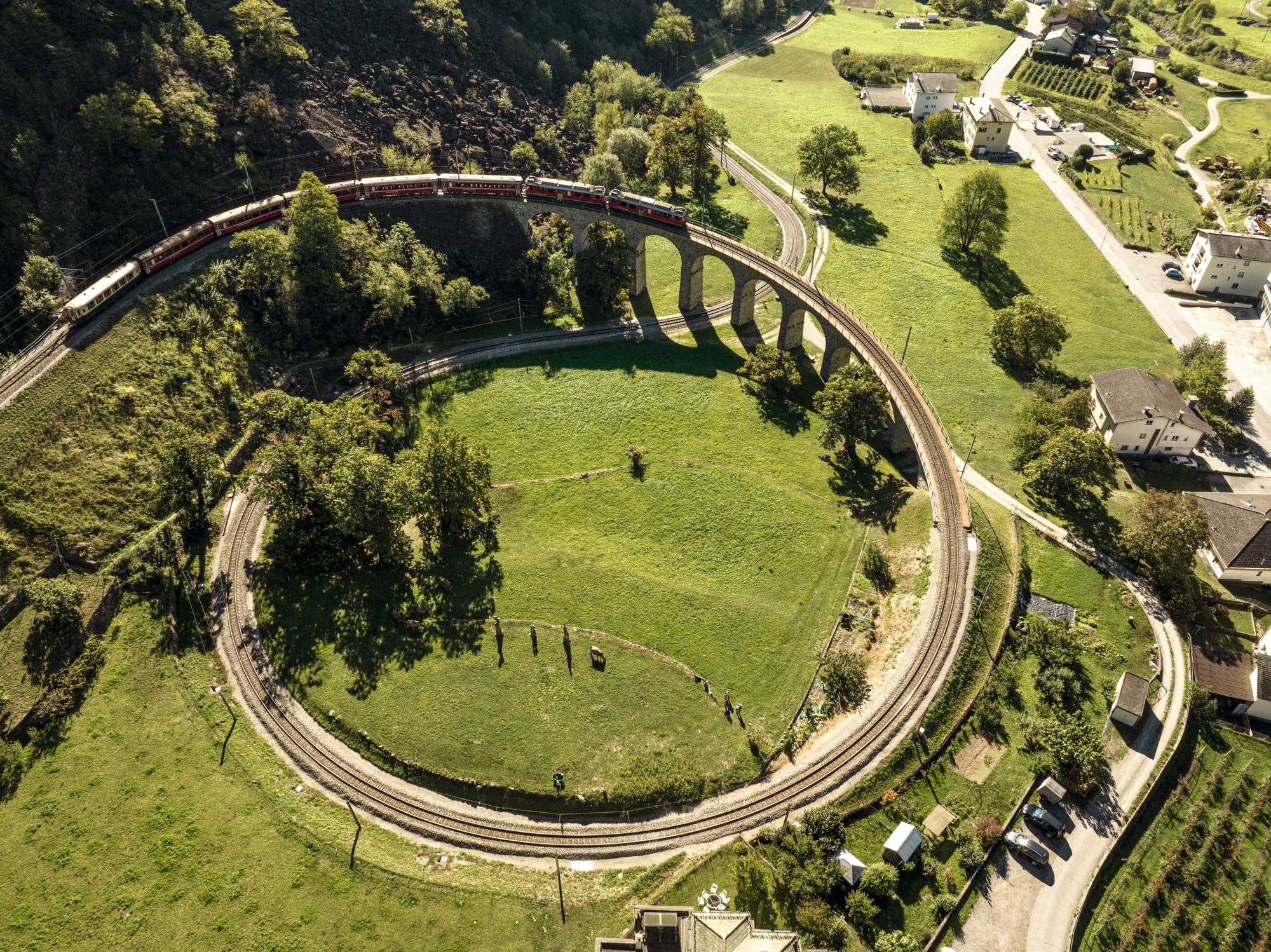
A train ride over the Bernina with lunch in Poschiavo is one of the finest days Graubünden can offer. And now you know what to order for lunch.
More mountain food in our articles on capuns and Bündner Gerstensuppe.
Taste the Alps with us
On the Ski Eat Retreat (6–13 March 2027) we cook for you at the chalet five evenings a week: traditional Alpine dishes, local cheeses and Swiss wines. Only 8 guests, with coaching from Jára every day.