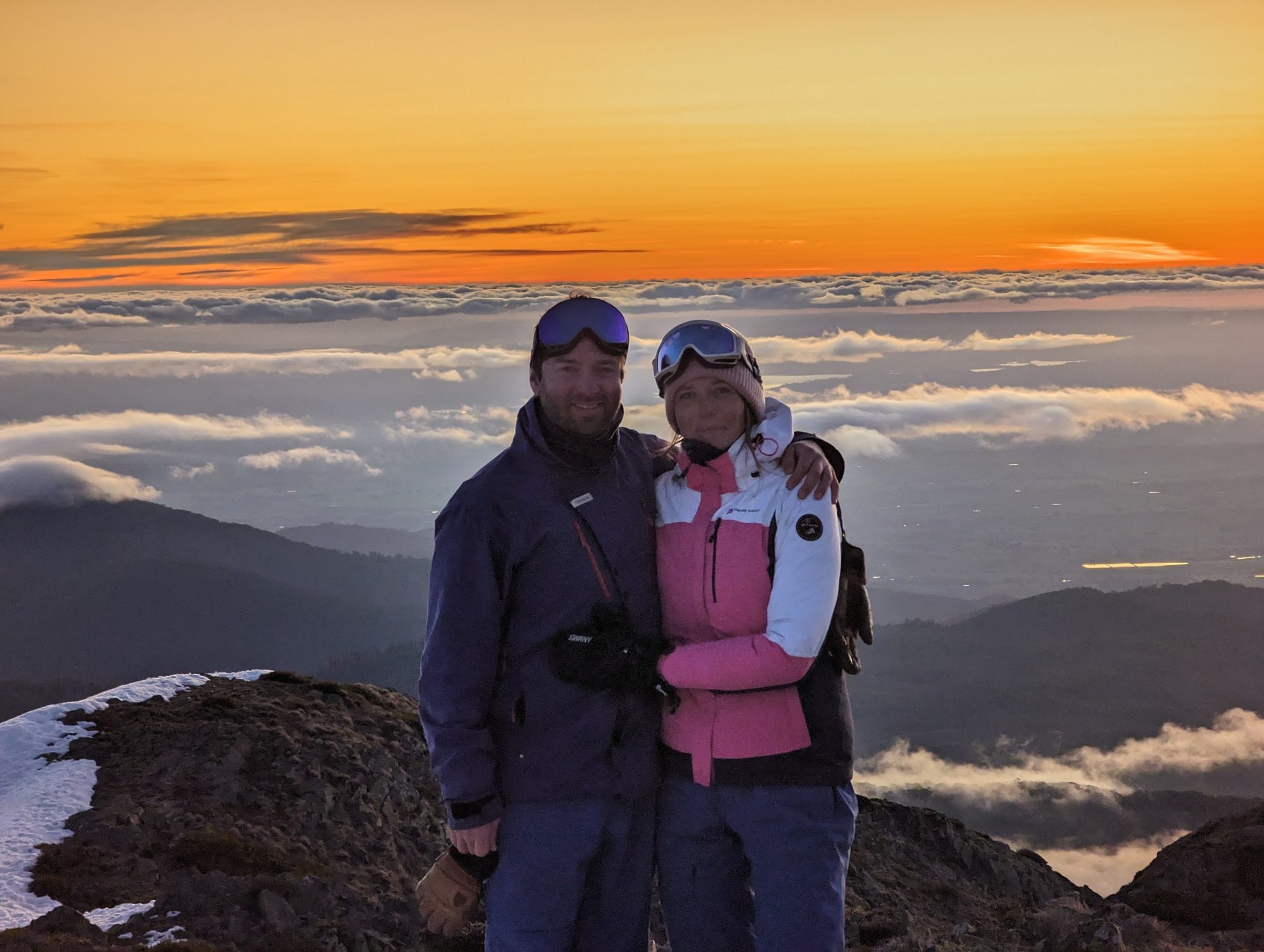
For a ski instructor, winter is addictive. When the snow melts in the Alps in April, many of us pack our skis and fly to the other hemisphere, where winter is just beginning. Australia sounds like the last place you would expect snow. Yet it has mountains, lifts, ski schools and a season that runs roughly from June to September.
We spent the 2023 season at Mt Buller in the state of Victoria. Here is what an Australian instructor season is like, with practical information for anyone thinking of doing something similar.
Our story: TODO
Mt Buller at a glance
| Where | Victorian Alps, state of Victoria, above the town of Mansfield |
|---|---|
| From Melbourne | about 3 hours by car (roughly 230 km) |
| Altitude | skiing roughly between 1,400 and 1,800 m, summit about 1,805 m |
| Ski area | around 300 hectares, about 20 lifts and more than 80 runs |
| Season | usually mid-June to late September, depending on snow |
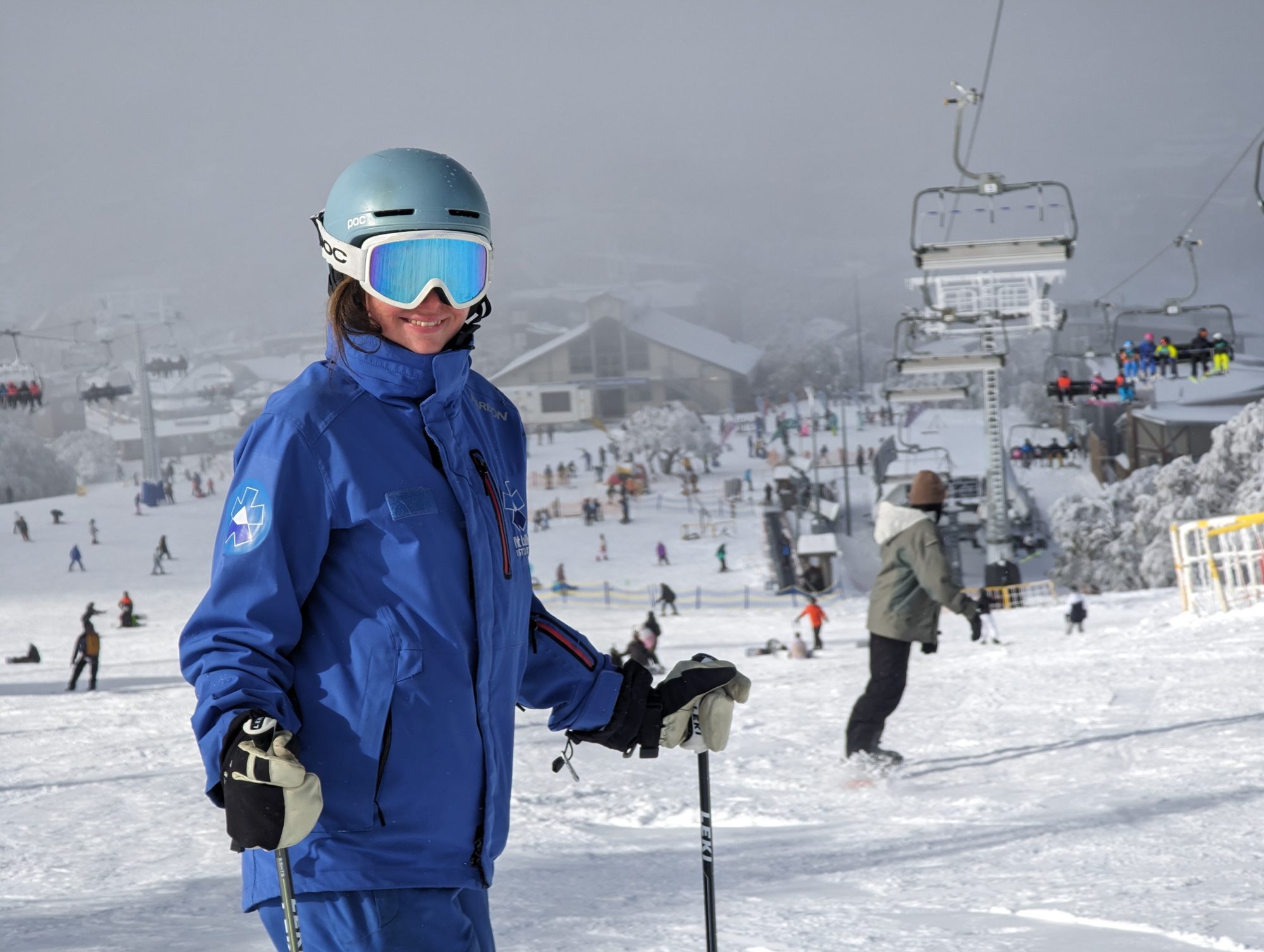
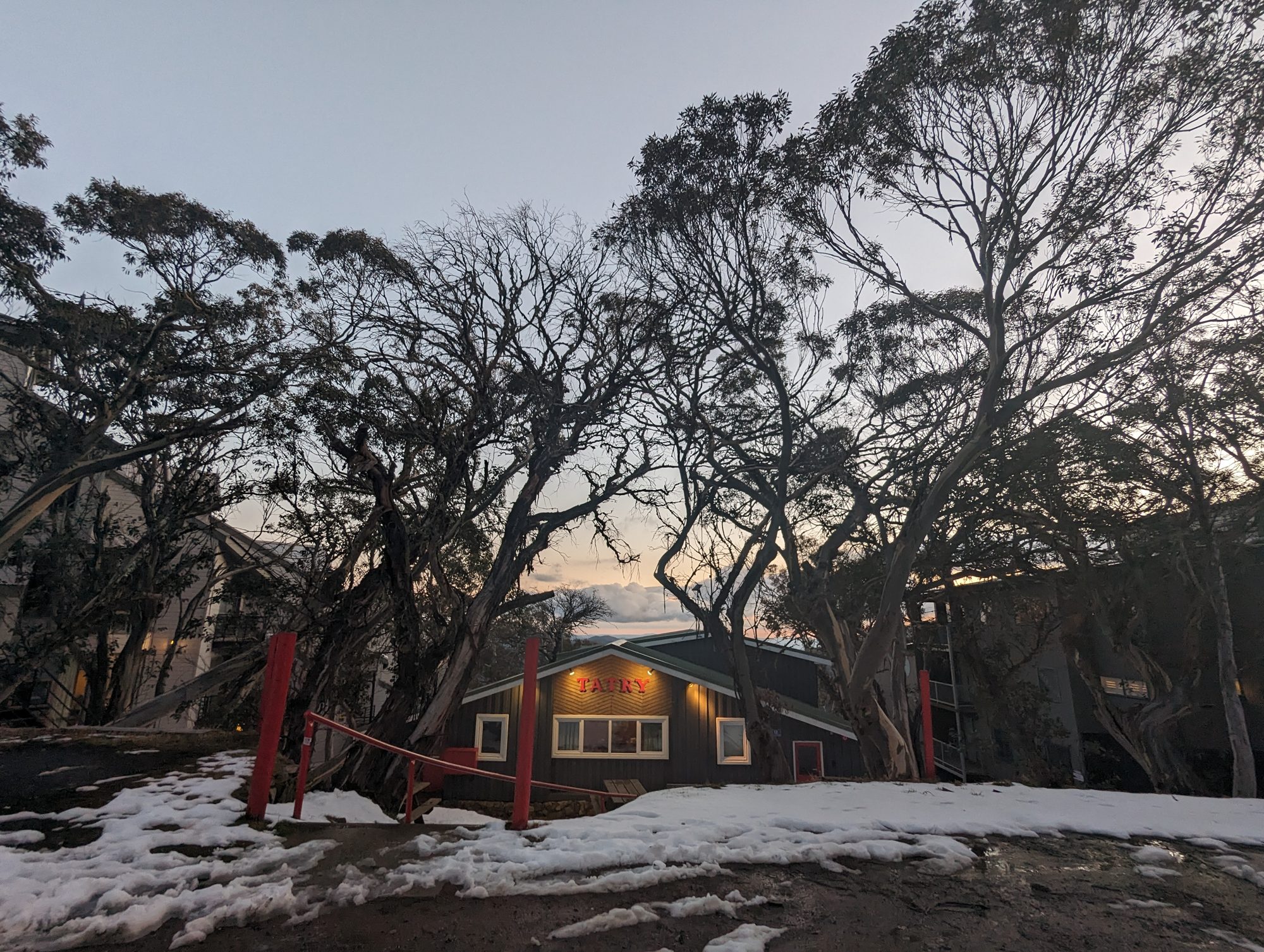
Mt Buller is one of Australia's bigger resorts and the most accessible for people from Melbourne. Unlike in the Alps, a whole village sits up on the mountain: hotels, lodges, restaurants and staff housing, where you step out of the door straight onto the snow.
Skiing among eucalyptus trees
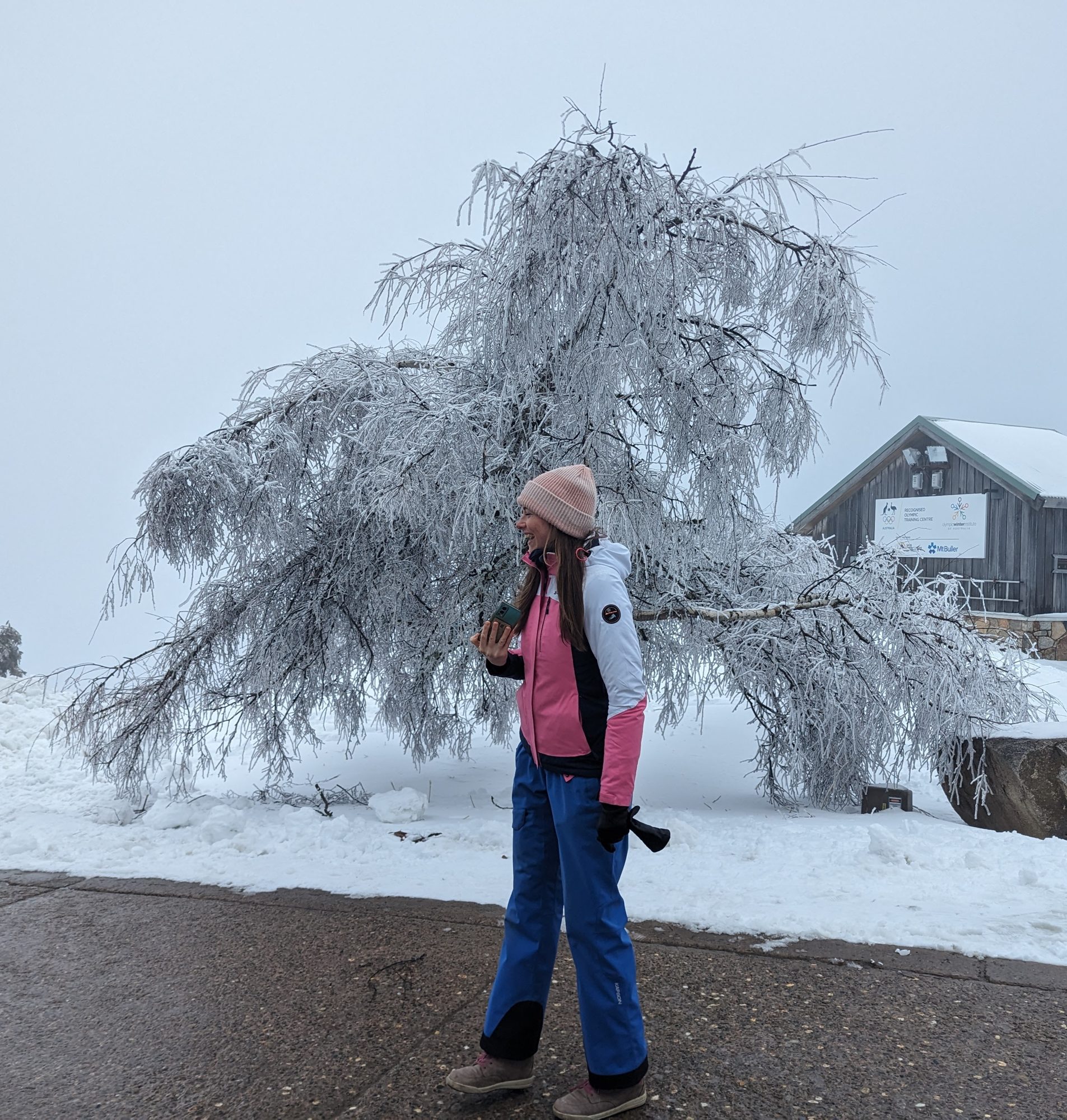
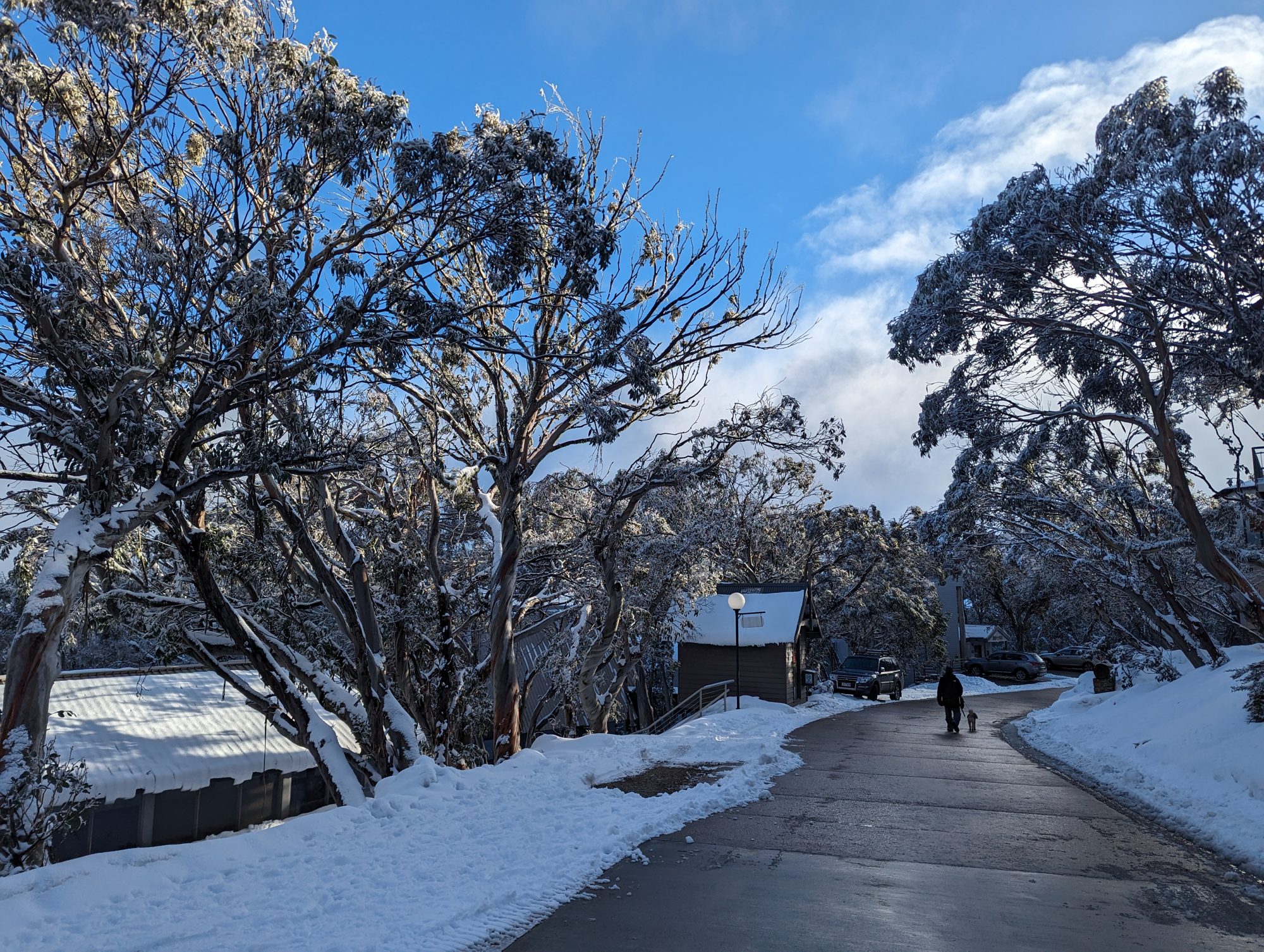
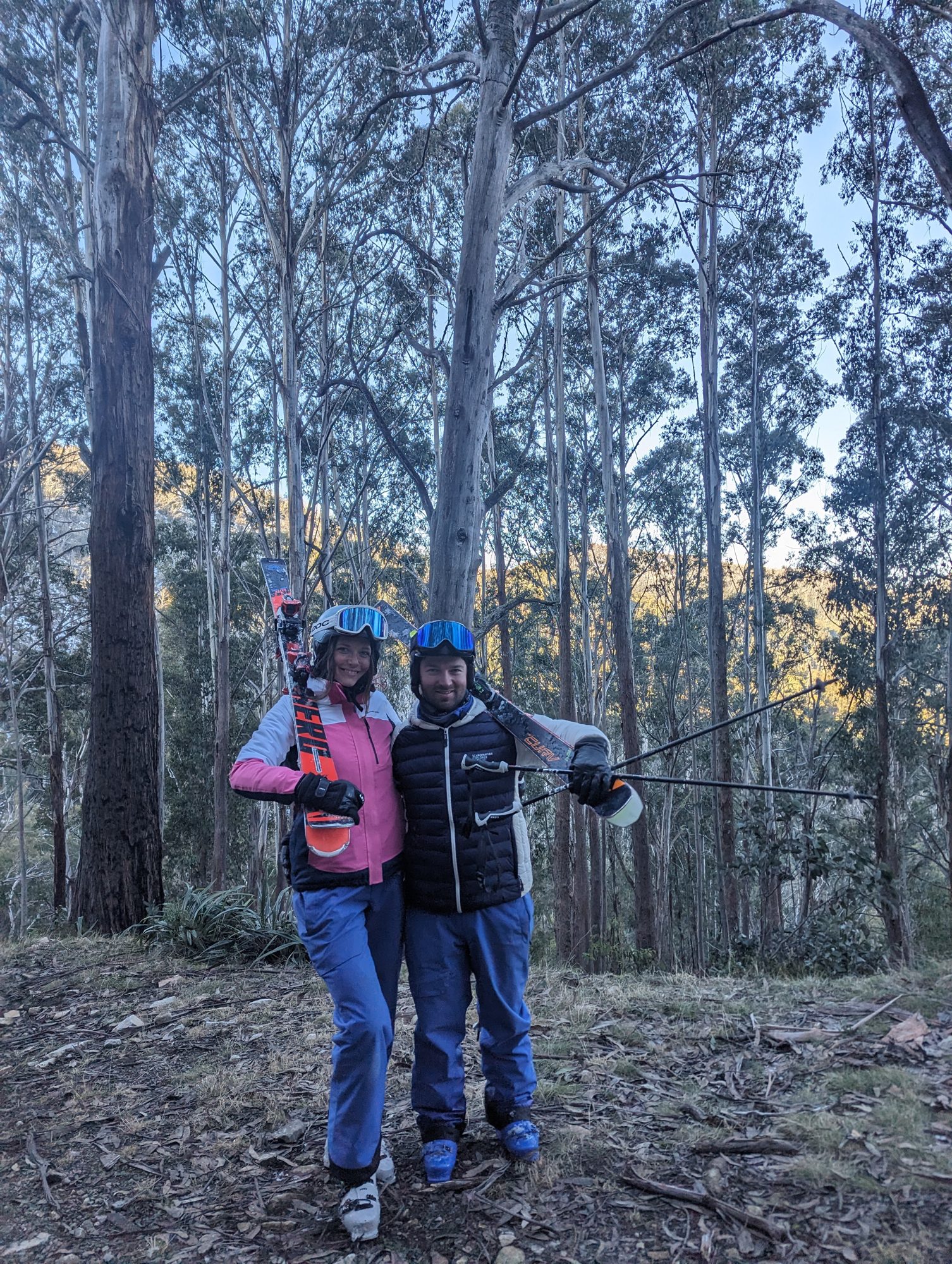
The first thing that surprises you in Australia is the trees. Instead of spruce and larch, the pistes are lined with snow gums, mountain eucalyptus trees with twisted trunks that the winter covers in snow and rime. In fog they look like something out of a fairy tale; on a clear day their bark glows in colours from white to rust.
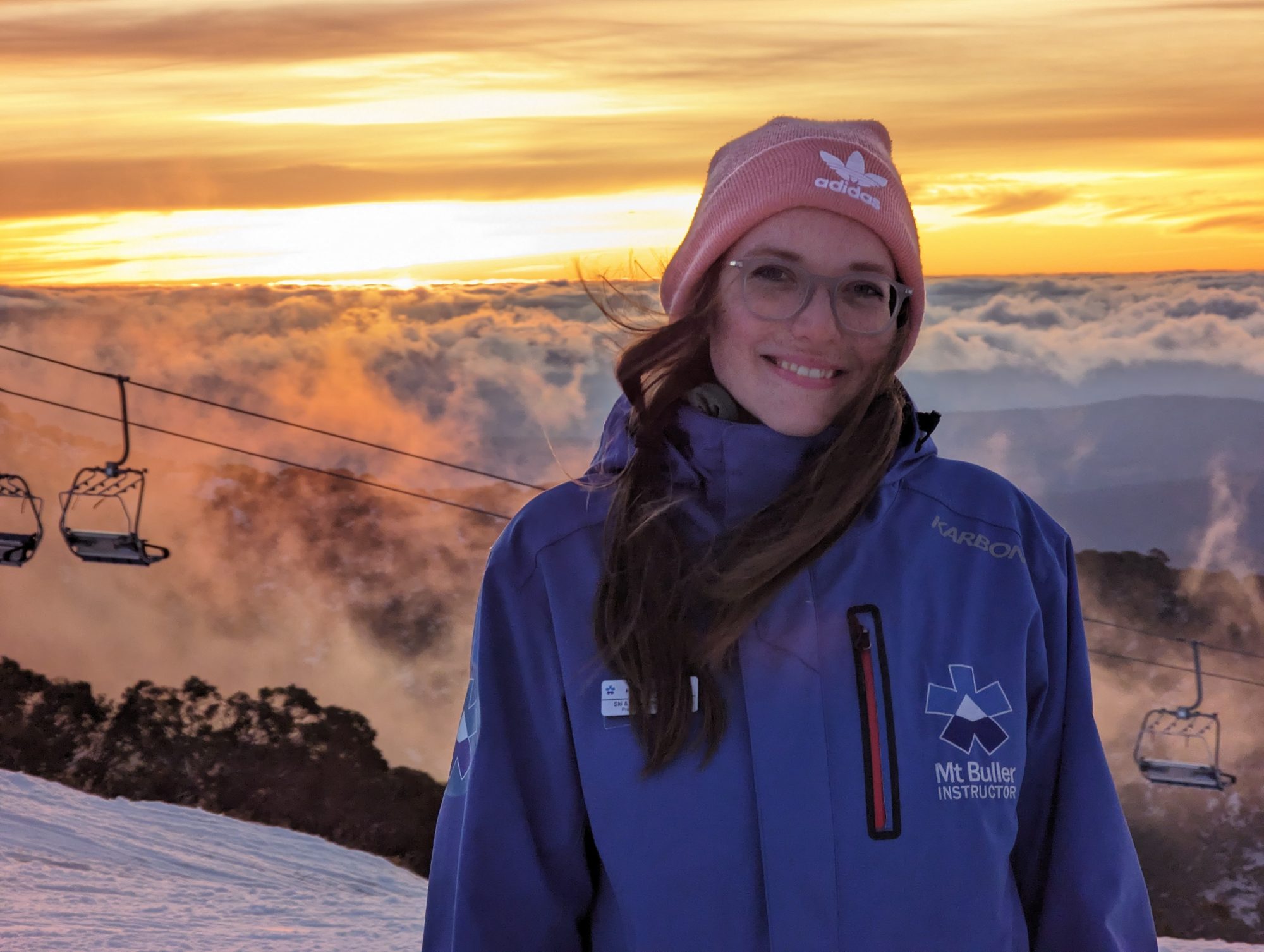
And then there are the sunsets. When an inversion settles over the valleys, you stand above a sea of cloud in the evening as the sun drops below the horizon and the sky runs through every colour. Evenings like that are worth staying on the mountain for after the lifts close.
Snow that keeps you guessing
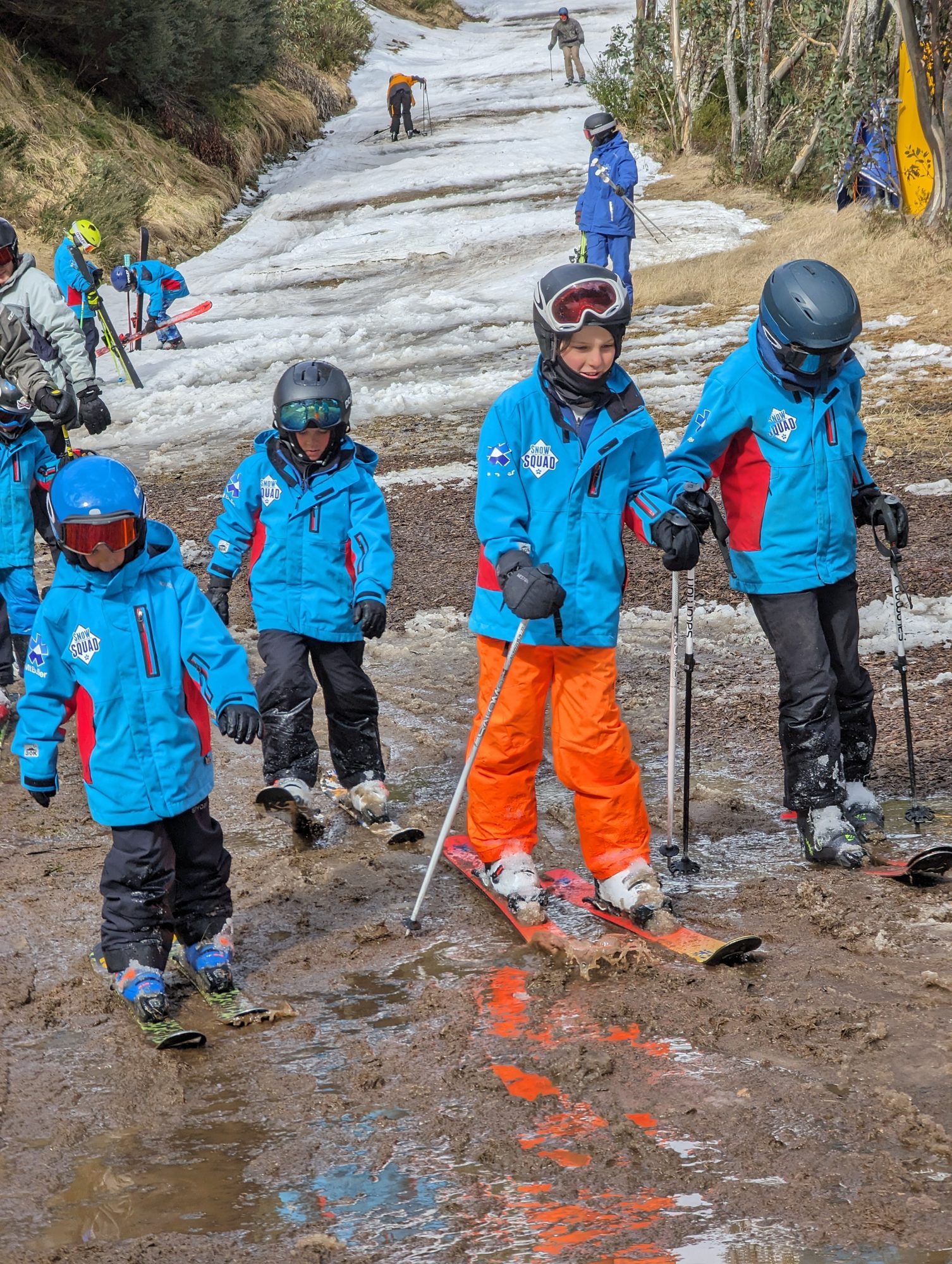
Australia's mountains aren't as high as the Alps, and the weather changes fast. Heavy snowfalls are followed by bluebird days with great snow; other times it is frozen pistes in the morning, fog or even rain. The resorts rely heavily on snowmaking, and the season depends on what the sky delivers.
For an instructor, that is a school you often don't get in the Alps: you have to teach in any weather and on any snow. If you can run a lesson on hard morning corduroy and on wet afternoon snow, you can handle anything.
An instructor's day
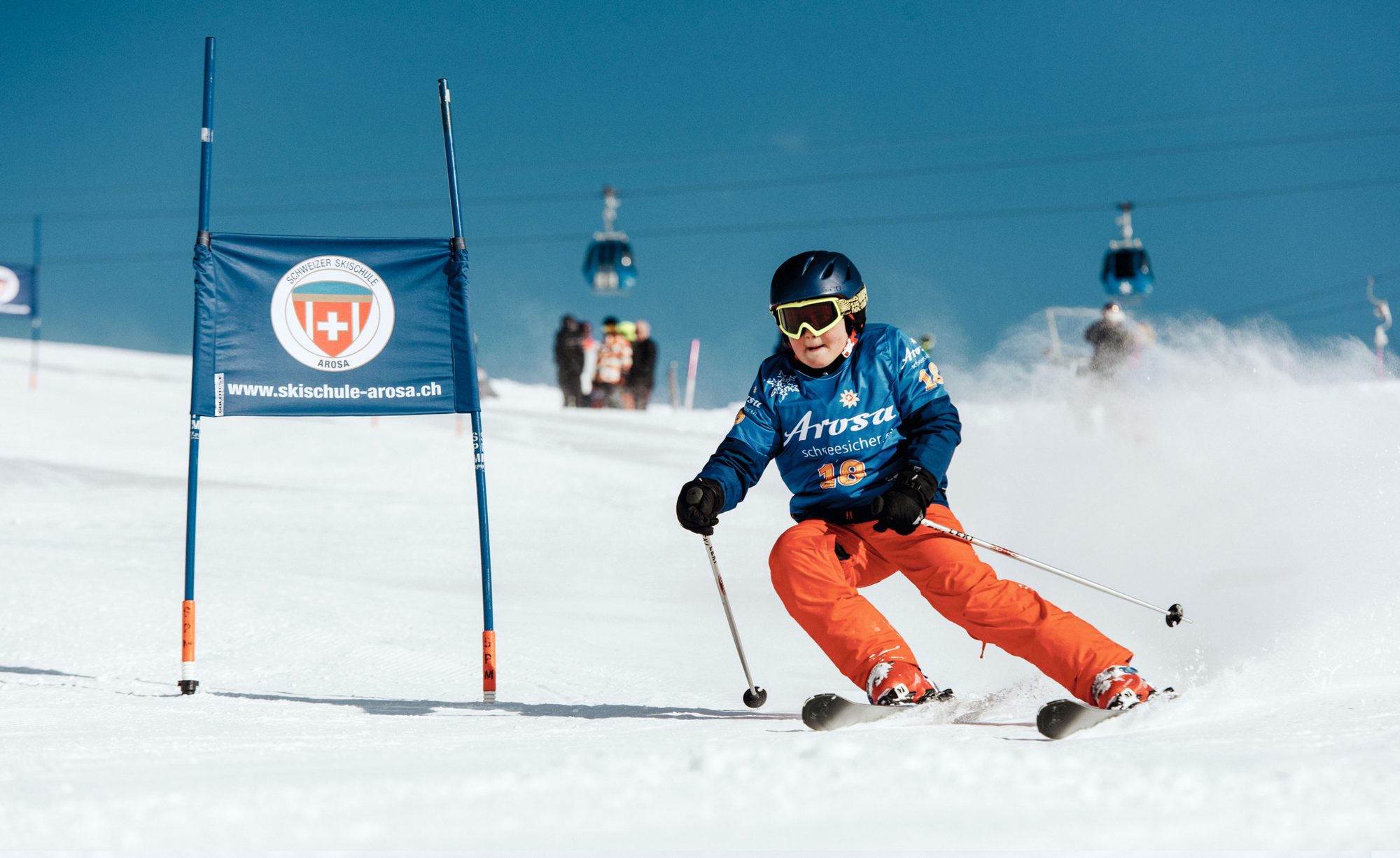
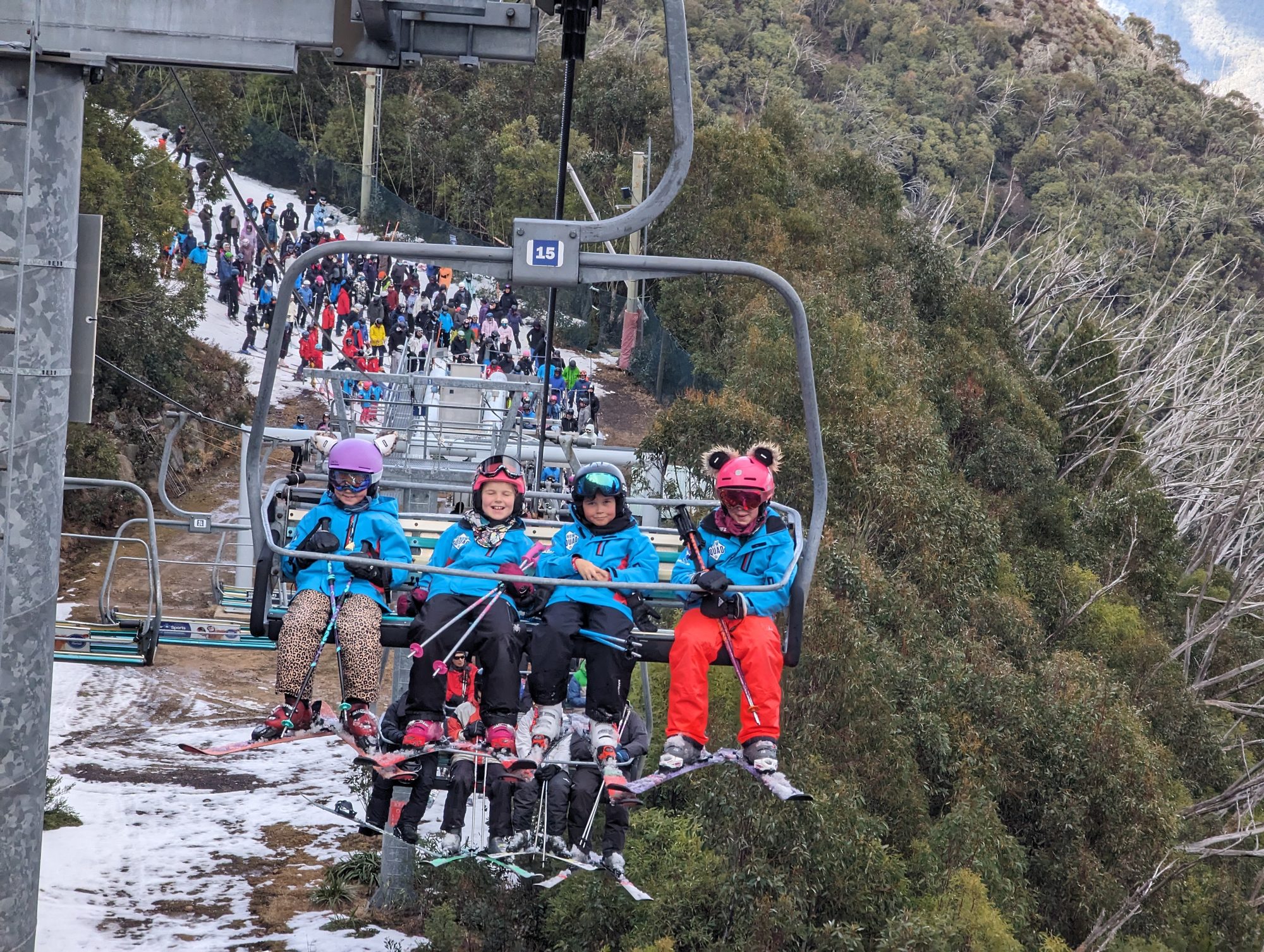
Mornings start early. Instructors meet for the morning briefing, the groups are split, and by nine you are on the snow with your first students. Children make up a big part of the work, especially in the winter school holidays when the mountain is bursting at the seams. In between come private lessons for adults who want to improve, or for families on their first trip to the snow.
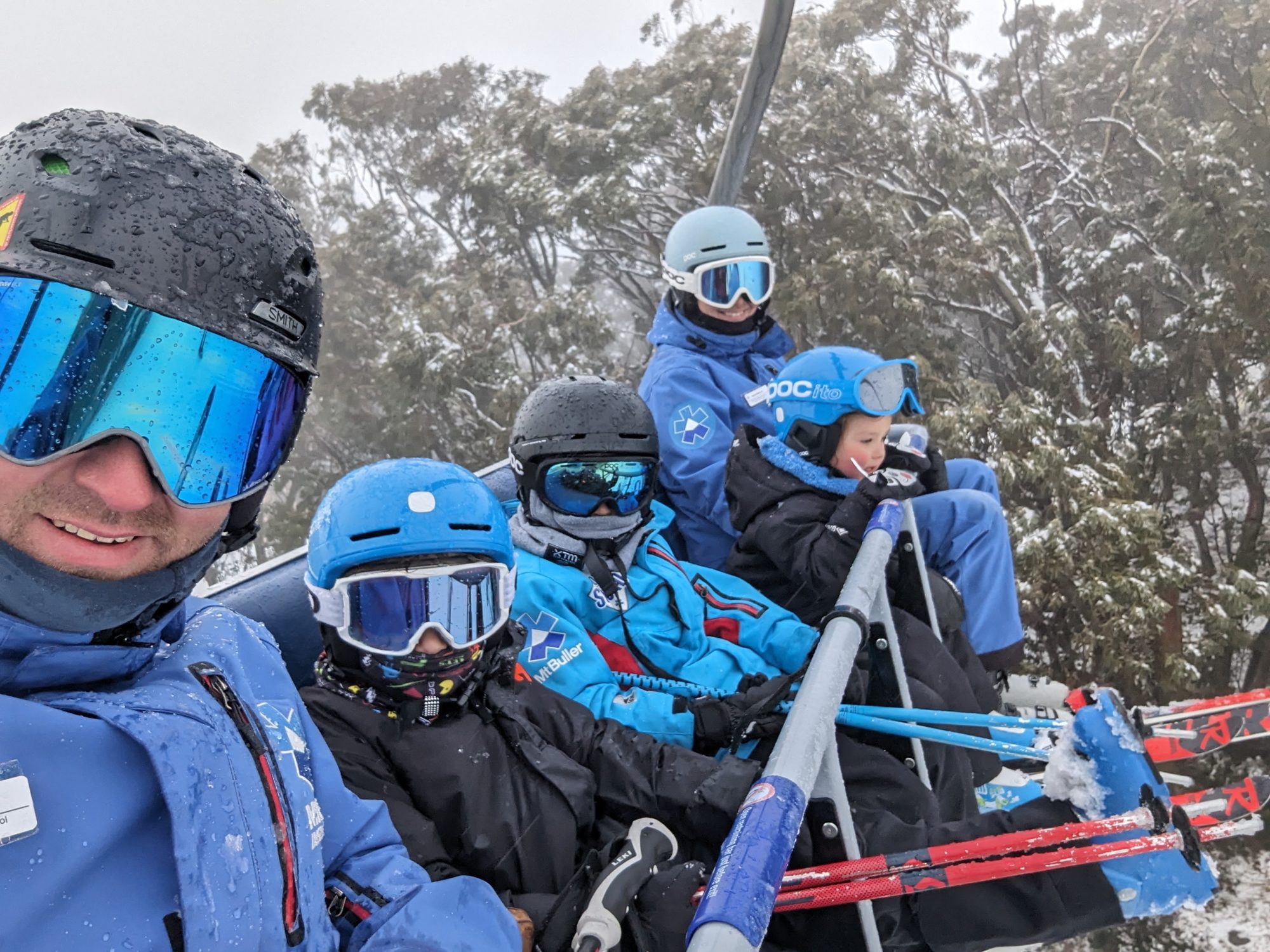
The ski school team is international: Australians, New Zealanders, Europeans and instructors from many other countries. Many arrive on working holiday visas; others, like us, come because they want two winters in one year. In the evening you meet in the staff housing, at the pub or on a terrace at sunset, and within a few weeks you have friends from all over the world.
Instructor life: TODO
Below the mountain: farms, forests and kangaroos
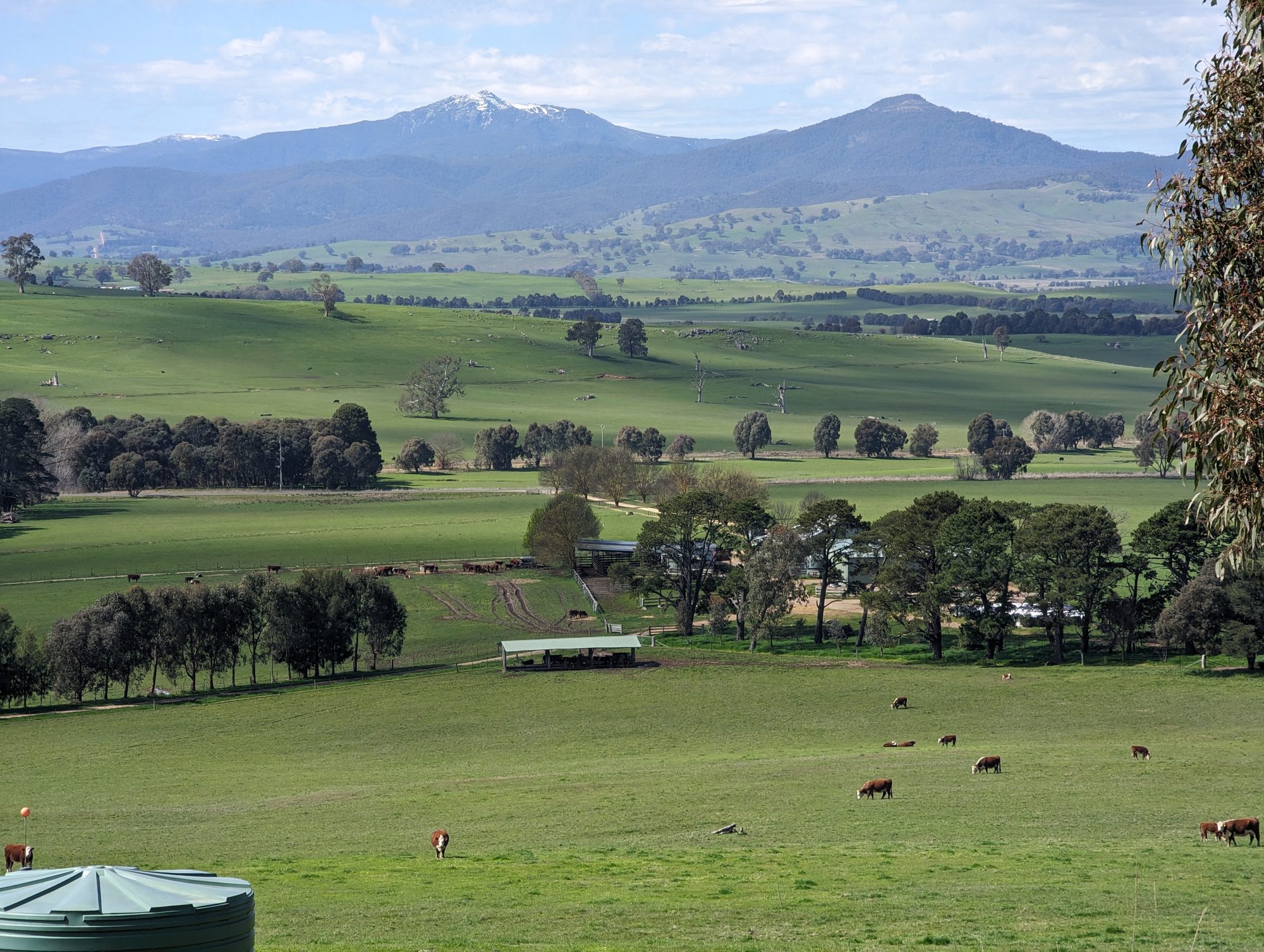
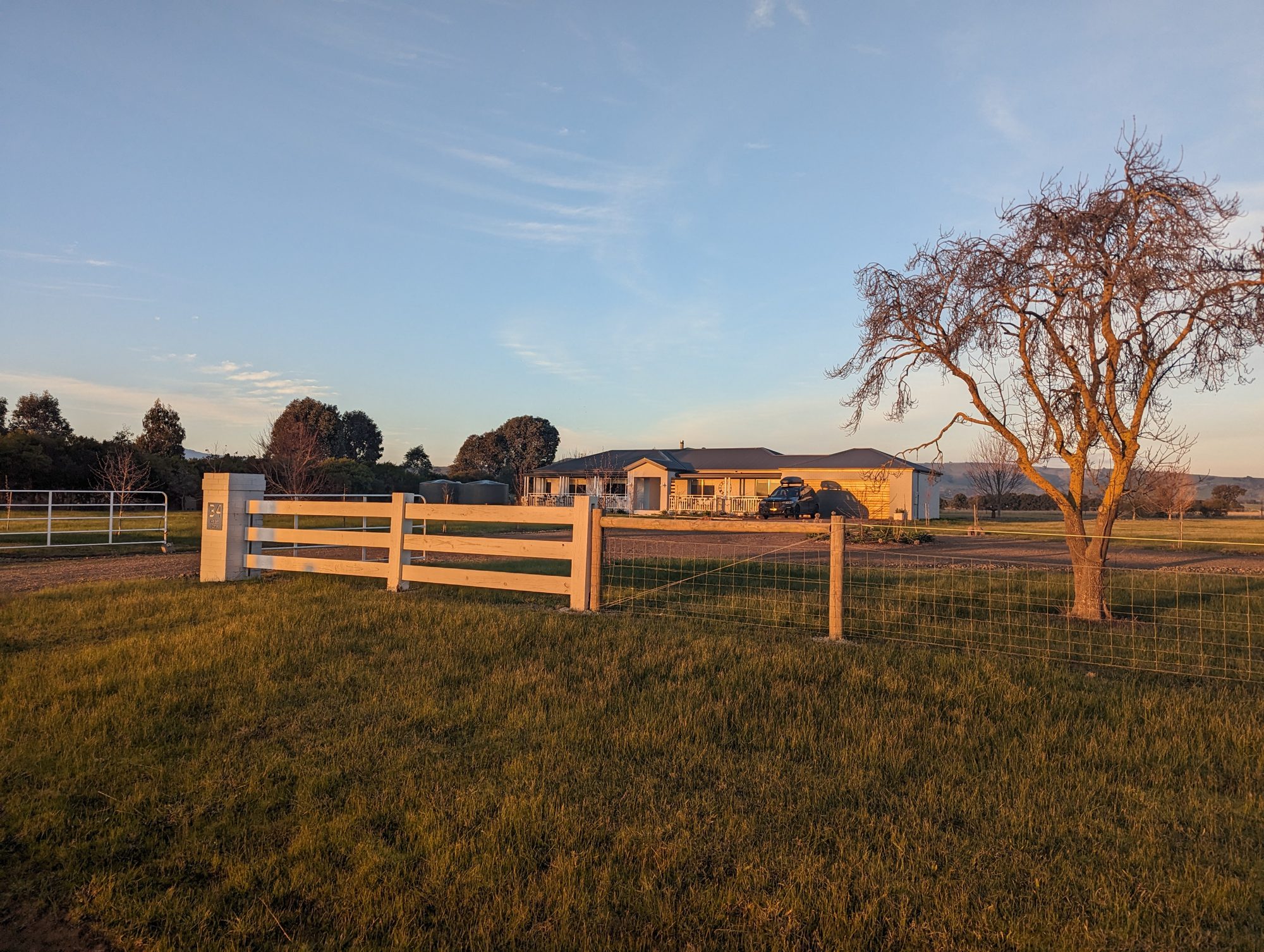
Drive down off the mountain and you are in a completely different world. Around Mansfield, green pastures, farms and paddocks stretch out below the snowy summit of Mt Buller. The forests are tall eucalyptus, and it is not unusual to see kangaroos in the fields. Days off are for exploring the area, a trip into Mansfield, or simply sitting on a veranda with a view.
Want to try it? Practical tips
- Qualifications: Australian ski schools usually ask for at least APSI Level 1, or an equivalent qualification from another ISIA member association.
- Visas: most international instructors come on working holiday visas (subclass 417 or 462). Check which one is available to citizens of your country, and on what terms, on the Australian immigration website.
- Timing: ski schools recruit well in advance, often early in the year. For a season starting in June, apply by spring at the latest.
- Accommodation: it is scarce and expensive on the mountain. Find out whether your employer offers staff housing, or plan on commuting from the valley.
What we brought home
The Australian season taught us patience, how to teach in any conditions, and how to see skiing through the eyes of people from completely different cultures. And it reminded us that the best moments in the mountains often don't happen on the piste, but in the evening, when the sun sets over a sea of cloud and you know it all starts again tomorrow.
A lot of that is what we pass on to our guests in Switzerland today. To see what skiing looks like there, read our guide to Arosa Lenzerheide.
Ski with us, this time in Switzerland
We bring everything we learned in Australia, New Zealand and 11 Swiss seasons to the Ski Eat Retreat (6–13 March 2027) in Lenzerheide: daily coaching with Jára, a chalet with sauna and dinners we cook ourselves. Only 8 guests. Before you book, Jára meets you by video call or in person in Prague.